
Ep.97 / Chick-fil-A Rumor, Philz Coffee Pride Backlash & Gay MAGA Breakdown
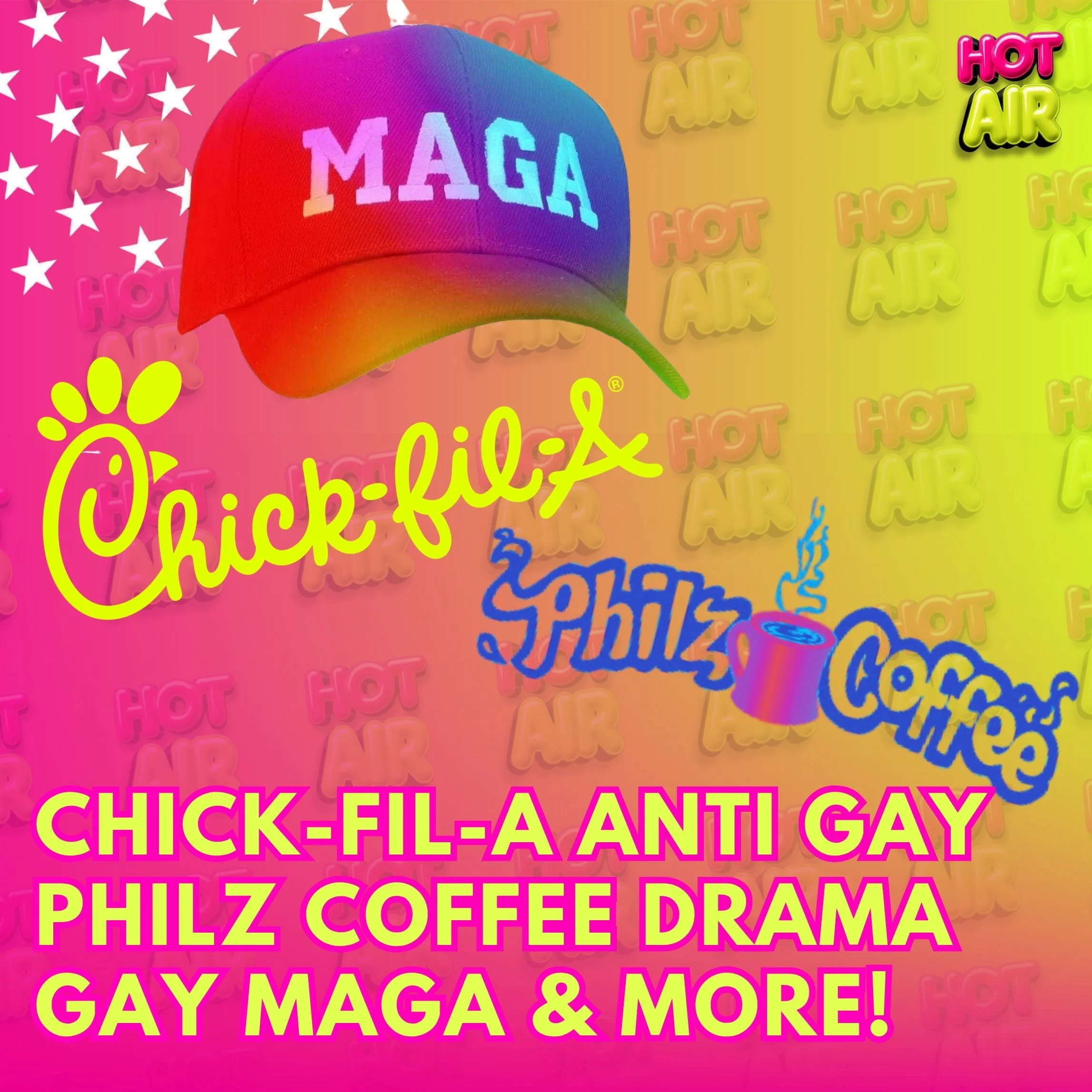
Get a clear breakdown of this week’s biggest viral stories, including the Chick-fil-A rumor, Philz Coffee Pride backlash, and the complex reality of gay MAGA men. Learn what’s true, what’s misinformation, and what these stories reveal about culture, identity, and online outrage.
What Actually Happened This Week: Chick-fil-A Rumors, Pride Backlash, and the Conversation Around Gay MAGA
If you spent any time online this week, you probably felt it.
The noise.
The constant stream of headlines, reactions, outrage, hot takes, and think pieces—all moving so fast that it became difficult to separate what was actually happening from what people were saying was happening.
This week was a perfect example of how modern media consumption works. Stories don’t just break, they explode. They spread across platforms, get reshaped by commentary, and often take on a life of their own before anyone stops to ask a very simple question:
Is this even true?
Let’s break it down.
The Chick-fil-A Rumor That Wasn’t Real
One of the most viral stories this week involved Chick-fil-A. The internet was flooded with posts claiming the company had responded to a controversy in a way that triggered strong reactions from both critics and supporters.
There was just one problem.
The claim wasn’t accurate.
Fact-checking sources confirmed that the viral narrative was either misrepresented or completely false. But by the time that information circulated, the reaction had already taken hold.
This is how misinformation works.
It doesn’t need to be true to be effective. It just needs to feel believable.
Chick-fil-A has a history of controversy, particularly around LGBTQ+ issues. That history creates a context where new claims are easily accepted, even without verification. People are already primed to believe the story, so it spreads quickly.
And once it spreads, it becomes part of the conversation, regardless of its accuracy.
What makes this cycle so powerful is the speed. Social media prioritizes engagement, not accuracy. The more emotional the reaction, the faster the content travels.
By the time corrections are made, the original claim has already reached a wide audience.
This creates a distorted version of reality where people are reacting to something that never actually happened.
Philz Coffee and the Pride Flag Backlash
While the Chick-fil-A story was built on misinformation, the backlash surrounding Philz Coffee was very real.
The controversy began when Pride flags displayed at certain coffee shop locations became a point of public debate. On the surface, this might seem like a small issue, but it quickly evolved into a broader conversation about politics, identity, and corporate responsibility.
Some critics argued that businesses should remain neutral and avoid taking visible stances on social issues. Others saw the Pride flag as a necessary symbol of inclusion and visibility for LGBTQ+ communities.
At the same time, there was a third perspective emerging—one that questioned whether corporate displays of support were genuine or performative.
This layered reaction highlights something important.
People are not just responding to the action itself. They’re responding to what they believe it represents.
For some, the Pride flag signals progress and acceptance. For others, it represents political alignment. For another group, it reflects corporate branding strategies.
These interpretations exist simultaneously, which is why the reaction feels so divided.
The situation becomes less about the coffee shop and more about the larger cultural tensions it reflects.
The Complexity of Gay MAGA Identity
The final conversation this week moves beyond misinformation and backlash into something more nuanced.
The experience of gay men who identify with MAGA politics.
At first glance, this may seem contradictory. The LGBTQ+ community and conservative political movements have often been positioned in opposition to each other.
But identity is rarely that simple.
The individuals highlighted in this conversation describe a sense of isolation. They don’t fully belong in LGBTQ+ spaces due to their political views, and they’re not fully embraced in conservative spaces because of their identity.
This creates a unique kind of social tension.
Belonging is a fundamental human need. When someone feels excluded from multiple communities, it can lead to a sense of fragmentation.
Understanding this dynamic does not require agreement.
It requires recognizing that identity is influenced by multiple factors, including personal values, experiences, and social environments. Political alignment is not always determined by identity alone.
This complexity is often lost in online discussions, where nuance is replaced by quick judgments and simplified narratives.
The Bigger Pattern: Noise vs Reality
When you look at these three stories together, a pattern emerges.
The Chick-fil-A rumor shows how easily misinformation spreads. The Philz Coffee backlash highlights how quickly small actions become cultural debates. The conversation around gay MAGA identity reveals how complex and layered real experiences can be.
The common thread is the gap between perception and reality.
What people believe is happening is not always aligned with what is actually happening. And in many cases, the reaction becomes more significant than the original event.
This is the environment we’re navigating.
A constant flow of information, interpretation, and reaction, all happening at the same time.
How to Stay Grounded
In a media landscape like this, staying informed requires more than just consuming content.
It requires discernment.
That doesn’t mean you need to fact-check every single post or become an expert on every topic. But it does mean taking a moment to pause before reacting.
Where did this information come from? Is it verified? What’s the full context?
These questions create space between the headline and your reaction.
And that space is important.
Because it allows you to engage with information in a way that is more intentional and less reactive.
Final Thoughts
This week wasn’t just about a rumor, a coffee shop, or a specific group of people.
It was about how we process information.
How quickly we react, how easily narratives form, and how often we operate on incomplete or inaccurate data.
The goal is not to disengage or ignore what’s happening.
It’s to engage more thoughtfully.
To recognize the difference between what’s loud and what’s true.
And to understand that sometimes, the most valuable thing you can do is pause before you respond.
Because in a world that moves this fast, clarity is power.