
Ep.64 / The Truth About Conversion Therapy: History, Harm & Global LGBTQ+ Trauma Exposed
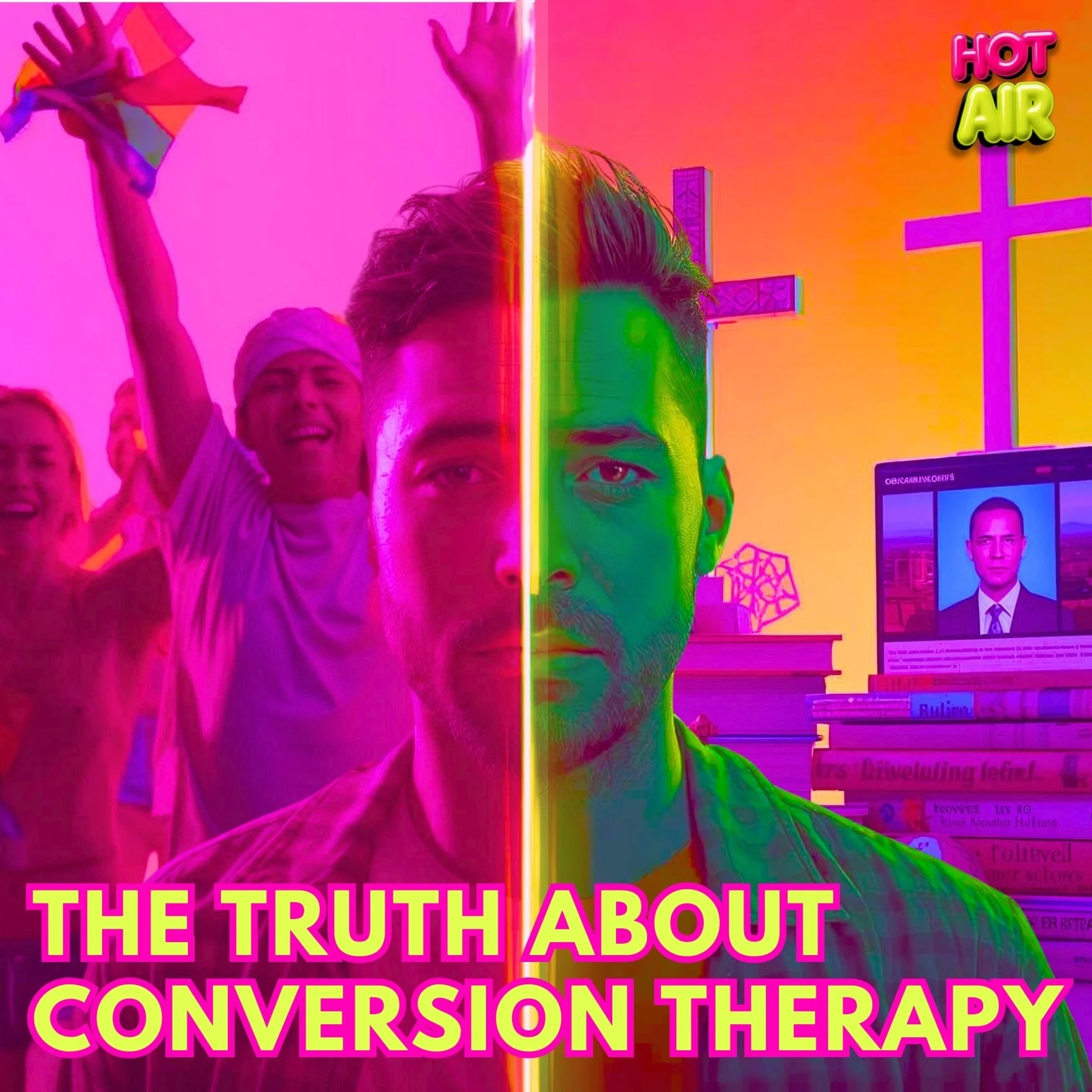
A raw and unfiltered deep dive into the history, religion, global politics, and psychological trauma behind conversion therapy — featuring survivor stories and the truth about how this harmful practice still survives today.
The Truth About Conversion Therapy: A Global Deep Dive into History, Harm, and the Fight for LGBTQ+ Freedom
Conversion therapy is one of the most damaging systems ever imposed on LGBTQ+ people — a practice built on shame, fear, and the belief that queer identity is something that must be “healed.” Although most medical, psychiatric, and psychological associations around the world have condemned it, conversion therapy continues to appear in churches, counseling centers, political movements, and even family homes under different names and disguises.
In this deep dive, we’re breaking open the full truth: where conversion therapy came from, why religion played such a major role in spreading it, what survivors say about the experience, and how this dangerous ideology continues to shape global LGBTQ+ rights today.
The Religious Roots of Conversion Therapy
The foundation of conversion therapy is deeply tied to religious doctrine — specifically Christian interpretations that labeled homosexuality as sinful. In the 20th century, evangelical and fundamentalist movements expanded these beliefs into organized campaigns to “cure” queer people.
Groups like Exodus International, founded in 1976, became global forces in the ex-gay movement. Their message was simple: same-sex attraction was a moral failure, and prayer, self-denial, shame, and “reparative therapy” could fix it. Even though Exodus shut down in 2013 and publicly apologized, similar ministries still exist today across the U.S., Latin America, Africa, and Asia.
Religious leaders often positioned themselves as moral authorities, pushing the idea that sexuality could be changed through obedience, spiritual discipline, or psychological pressure. The truth is much darker: these teachings aligned perfectly with systems of control, reinforcing patriarchal norms and punishing anyone who didn’t conform.
How Pseudoscience Fueled the Movement
While religion supplied the moral fear, a handful of early psychologists supplied the pseudoscience. For decades, homosexuality was incorrectly classified as a mental disorder. Even after the American Psychiatric Association removed homosexuality from the DSM in 1973, many religious practitioners ignored the scientific consensus and continued promoting “reparative therapy.”
Methods included:
• shame-based counseling
• avoidance conditioning
• prayer and exorcism
• gender “retraining”
• forced heterosexual dating
• isolation from family and friends
• punishment for expressing true identity
Survivors consistently report long-term effects including depression, anxiety, PTSD, self-hate, dissociation, and suicidal ideation.
Major organizations such as the APA, WHO, and United Nations have since declared conversion therapy harmful, unethical, and rooted in human rights violations.
Survivor Stories & Lived Trauma
Behind every “program,” “ministry,” and “treatment plan,” there is a human being who lived through the trauma. Survivors often describe conversion therapy as psychological torture — a slow erosion of identity, self-worth, and safety.
Many say the most painful part wasn’t the therapy itself, but being told by trusted adults, pastors, family members, or counselors that who they are is fundamentally wrong. That message often leaves scars that last for decades.
Some survivors spent years believing they were broken. Others were pushed into marriages, forced into secrecy, or shunned by communities. Many later became advocates, determined to expose the truth and protect LGBTQ+ youth from the same harm.
The Global Spread of Conversion Therapy
Conversion therapy isn’t just a U.S. problem — it exists worldwide. In many countries, religion has shaped political laws, school systems, and family culture in ways that allow conversion therapy to thrive. Nations across Africa, Eastern Europe, Asia, and Latin America still promote conversion practices through churches, clinics, and state institutions.
Some nations have outlawed it. Others openly encourage it. The global picture is inconsistent, uneven, and heavily influenced by colonialism, missionary influence, and imported evangelical ideology.
The rise of anti-LGBTQ+ legislation in certain regions is directly tied to religious groups exporting conversion narratives — an issue documented by activists, journalists, and human rights organizations.
Modern Conversion Therapy: Rebranded but Still Harmful
Even in countries where traditional conversion therapy is banned, the practice survives under new names such as:
• “sexual addiction counseling”
• “biblical counseling”
• “discipleship programs”
• “family healing sessions”
• “identity exploration therapy”
• “same-sex attraction ministry”
These rebranded forms of conversion therapy often claim they don’t try to “change” orientation — yet their underlying belief is the same: that LGBTQ+ identity is wrong, inferior, or sinful.
The language changed, but the harm remained.
Why Conversion Therapy Still Exists
There are several forces that allow conversion therapy to continue:
• political movements targeting LGBTQ+ rights
• religious doctrines that reject queer identity
• families pressured to conform to church teachings
• misinformation about sexuality
• lack of legal protections
• social stigma and fear
As long as queer identity is framed as something that must be controlled, corrected, or hidden, conversion therapy will try to survive.
The Psychological, Emotional & Spiritual Damage
Conversion therapy doesn’t only harm the mind — it harms the entire self. Survivors often describe:
• loss of trust in community
• internalized shame
• identity suppression
• trauma around religion
• fear of intimacy
• long-term isolation
• deep-seated anxiety
The damage isn’t just individual — it’s cultural. It reinforces discrimination, fuels anti-LGBTQ laws, and perpetuates the idea that queer people are less deserving of dignity and autonomy.
The Path Forward: Truth, Healing, and Visibility
Ending conversion therapy worldwide requires:
• survivor-centered legislation
• education about LGBTQ+ identity
• acknowledgment from religious institutions
• accountability for harmful practices
• inclusive and affirming communities
• continued research and documentation
The good news: more survivors than ever are speaking out. More countries are banning conversion therapy. More young people are refusing to accept shame as part of their identity. And more religious communities are affirming and inclusive.
The truth is louder than the lies — and it’s finally being heard.