
Ep.83 / why Is Sex So Taboo? body confidence, solo sex, consent & communication - PART TWO
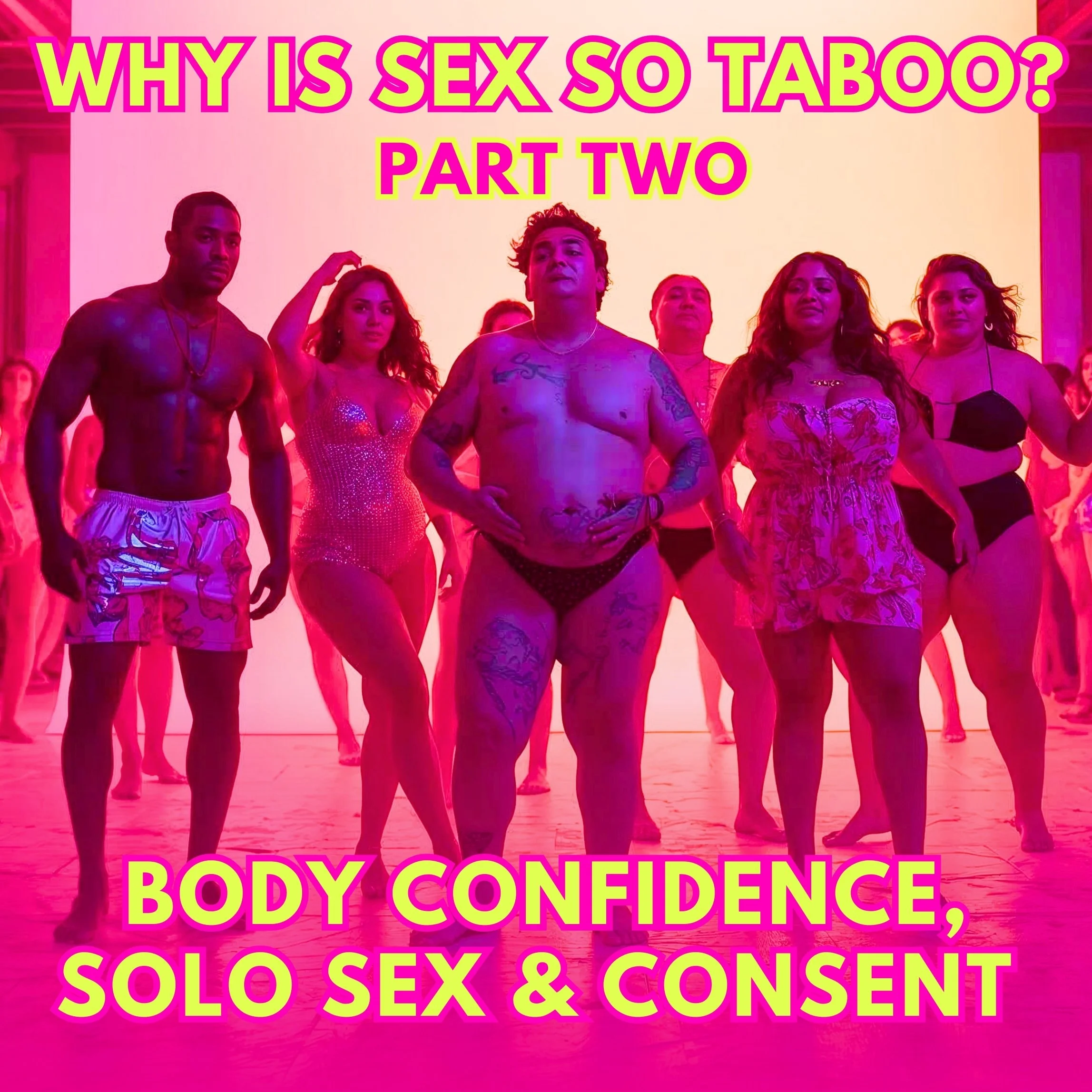
Is masturbation really “self-care with bad PR”? Why does talking about sex feel awkward — even with someone you’re sleeping with? And how much does body image impact your confidence in the bedroom? YES! we are going there!
Is Masturbation Healthy? The Psychology of Solo Sex, Consent, and Sexual Confidence
Sexual wellness is rarely discussed with nuance. Conversations about intimacy often swing between silence and sensationalism. But modern psychology tells a different story — one grounded in mental health, self-connection, and communication.
In Part Two of HOT AIR, we explore solo sex, self-pleasure, consent, body image, and how to build a healthier relationship with intimacy. The goal isn’t shock value. It’s clarity.
Is Masturbation Healthy?
One of the most common search queries around sexuality is simple: “Is masturbation healthy?”
Research suggests that masturbation can offer several mental and physical health benefits, including:
• Reduced stress
• Improved sleep
• Increased body awareness
• Enhanced mood through dopamine and endorphin release
• Improved sexual communication with partners
Masturbation is one of the safest forms of sexual expression. It carries no risk of pregnancy or sexually transmitted infections and allows individuals to explore their own bodies without performance pressure.
Yet despite these benefits, many people report feeling guilt or embarrassment about solo sex. This reaction often stems from cultural conditioning rather than medical evidence.
The Psychology of Sexual Shame
Shame is a learned emotional response. When individuals grow up in environments where sexual curiosity is discouraged or stigmatized, the brain begins to associate desire with wrongdoing.
This can create internal conflict:
Natural impulse vs. social judgment.
Over time, that conflict may reduce sexual confidence and increase anxiety around intimacy. Research in psychology shows that chronic shame can activate stress responses in the body — which directly interferes with relaxation and pleasure.
Understanding this mechanism is the first step toward change.
Solo Sex and Self-Connection
Beyond physical release, solo sex can function as a form of self-connection. Many therapists emphasize the importance of understanding one’s own body before entering or maintaining intimate relationships.
Self-knowledge improves communication.
When individuals understand what feels pleasurable, what boundaries they have, and what emotional responses arise during intimacy, they are better equipped to express those needs to a partner.
Communication and Sexual Satisfaction
Studies consistently show a strong link between communication and sexual satisfaction.
Couples who openly discuss preferences, boundaries, and desires report higher levels of intimacy and trust. Communication reduces guesswork and anxiety. It creates psychological safety.
Consent is often misunderstood as restrictive, but enthusiastic consent fosters confidence. Knowing that both partners actively choose the experience strengthens attraction rather than diminishing it.
Body Image and Intimacy
Body image plays a significant role in sexual experience. Self-consciousness can shift focus from sensation to self-monitoring.
When individuals are preoccupied with appearance, their cognitive resources are diverted away from pleasure.
Research in sexual psychology indicates that body appreciation — even body neutrality — improves overall sexual satisfaction.
Confidence is not about perfection. It is about presence.
Building a Healthier Relationship with Sex
If sexual shame is learned, it can be unlearned. Here are practical strategies for building a healthier relationship with intimacy:
Replace judgment with curiosity.
Seek evidence-based sexual education.
Practice clear, calm communication.
Set boundaries confidently.
Cultivate body neutrality rather than comparison.
View pleasure as a normal human experience.
Sex is not a performance metric. It is a form of connection — both with oneself and others.
Final Thoughts
Modern intimacy requires updated conversations. Silence around solo sex, consent, and body confidence often leads to confusion rather than clarity.
By understanding the psychology behind shame and replacing it with informed communication, individuals can experience intimacy with greater confidence and reduced anxiety.